Dhofar, Oman  ·  Since 2020

Born from
Ancient Groves

Pure frankincense, wild-harvested from the sacred Boswellia trees of Dhofar. Five thousand years of Omani heritage, distilled into every drop — for skin, wellness, and ritual.

5,000+
Years
Of continuous heritage in Dhofar
100%
Wild-Harvested
Hand-collected by 3 generations
Grade 1
MOH Certified
Ministry of Health, Oman
Dhofar
Single Origin
The only native Boswellia sacra region
II. The Manifesto
A philosophy in amber

Before it became perfume, medicine, or ritual — frankincense was memory, pressed into the bark of trees older than empires.

Luban is not a product — it is a memory carried by the wind, pressed into every drop, and preserved for the generations yet to come.

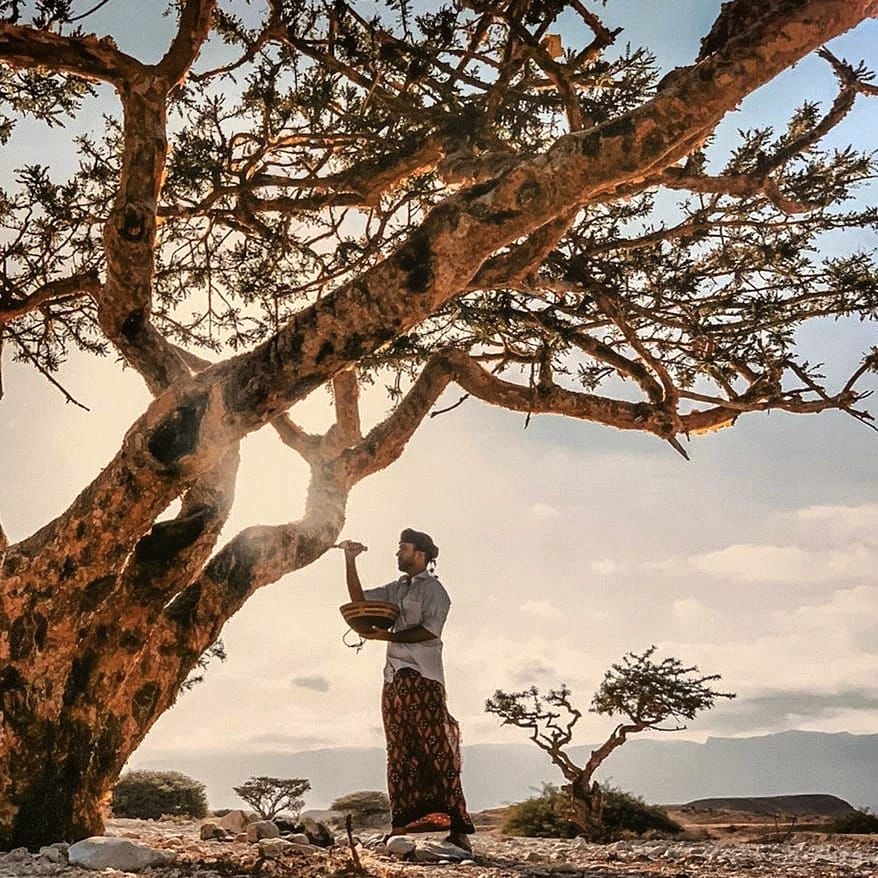
For five thousand years, the Boswellia sacra trees of Dhofar have wept resin into the hands of those who knew how to listen. Caravans traded it across continents. Temples burned it in silence. Queens measured their worth by it.

We do not sell frankincense. We return it — in its purest form — to those who understand that some things cannot be manufactured. Only harvested. Only waited for.

i. Patience The resin is ready when the tree decides — not before.
ii. Provenance Single origin. Dhofar, always. Never blended with lesser grades.
iii. Proof Every bottle traced to its harvest — from grove to drop.
The House of Luban Dhofar · Oman
Archive LUB-OM-24.IV · Plate of Dhofar Governorate · 17°00′N · 54°00′E · c. 2024
The Origin · A Cartographic Study

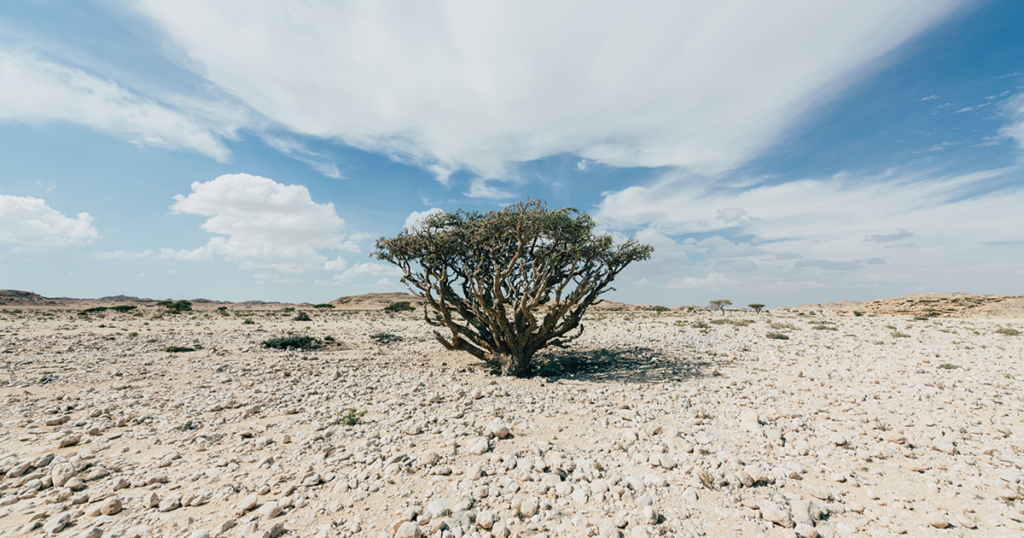
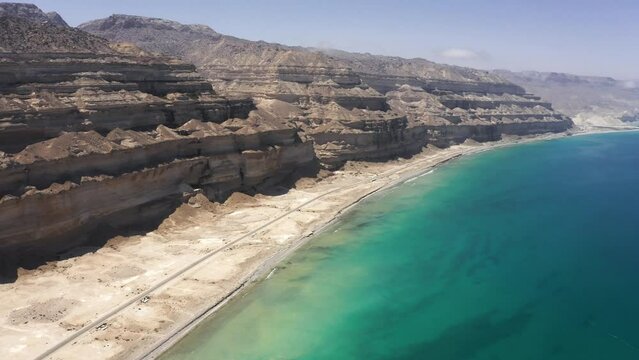
The only place on Earth where Boswellia sacra grows wild — a monsoon-kissed coastline older than any written language.

“A tree that weeps its gold into the hands of those who wait.” — four locations, each a chapter in the five-thousand-year archive of frankincense.

Plate IV Sultanate of Oman
Dhofar — Land of Frankincense Inscribed UNESCO MM
Dhofar Region of Origin Arabian Sea coastline, 540 km Monsoon Zone Khareef · Jun–Sep MUSCAT capital · ref. only N S E W 0 · 100 · 200 KM Scale 1:5,000,000 The Coast Salalah The Highland Jabal Samhan The Sanctuary Wadi Dawkah The Port Hasik
Specimen · I of IV Dhofar · 17°N
Fig. 01 The Coast

Salalah
where the Khareef begins

Settled c. 3000 BCE · Port of Moscha Limen
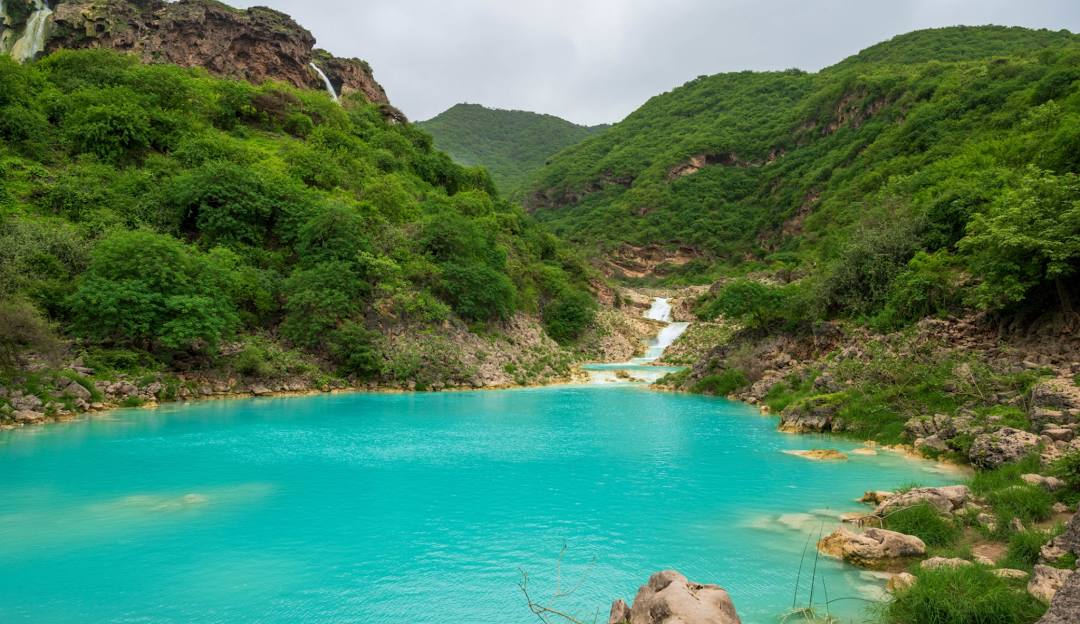
Salalah coast — Plate i, Salalah coast during Khareef

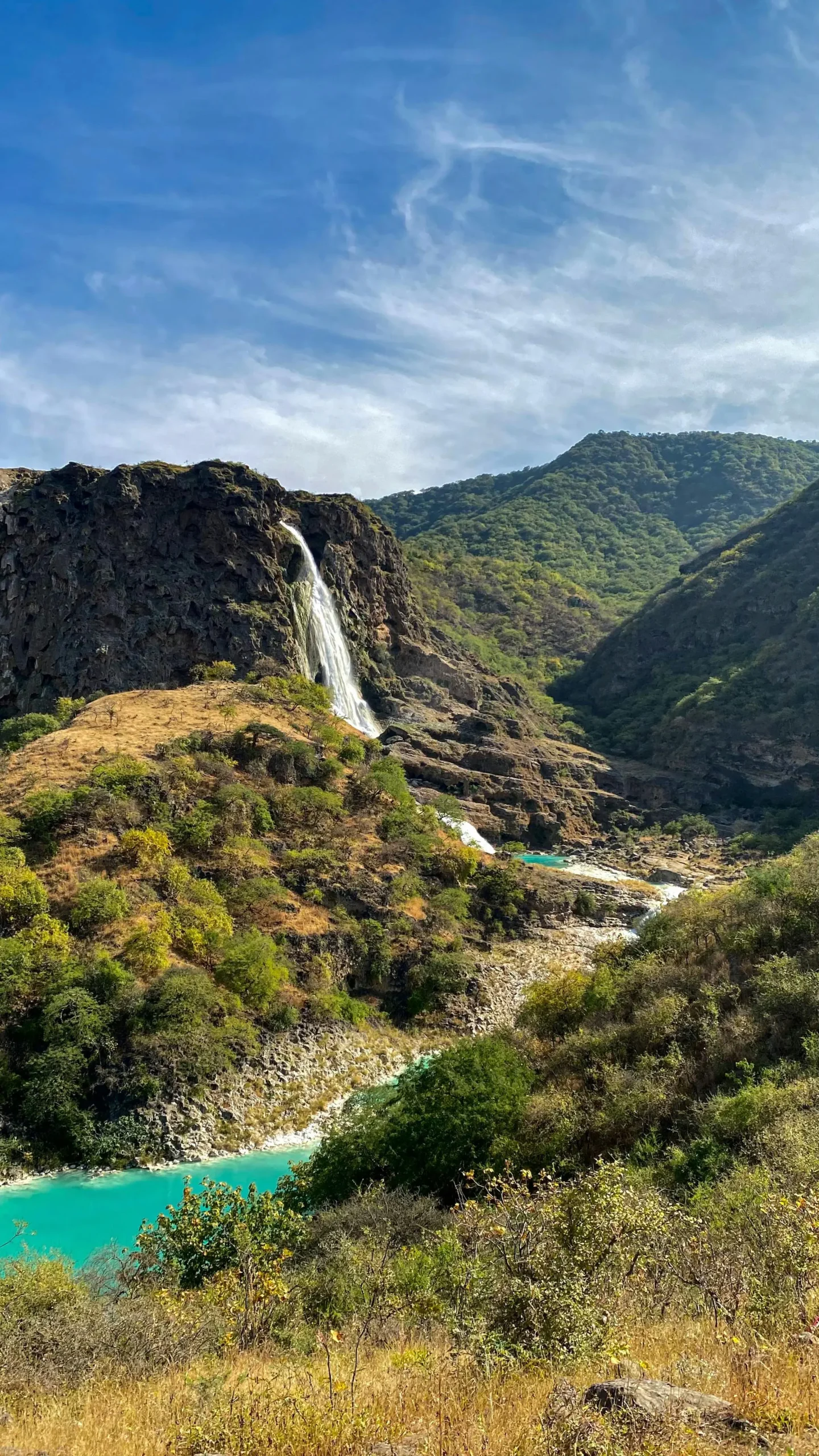
From June to September, monsoon mists travel 4,000km from India to settle only on this coast — turning the Dhofar mountains impossibly green and feeding the Boswellia groves beneath.

Annual rainfall 300mm · in 4 months
Mist density Near-daily fog
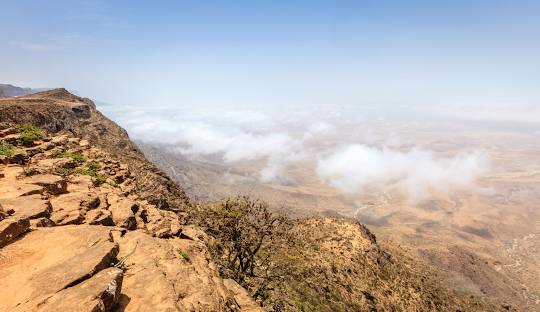
Fig. 02 The Highland

Jabal Samhan
the highland groves

Boswellia endemic · c. 500-year specimens
Jabal Samhan — Plate ii, ancient Boswellia at elevation

At 1,800m above the Arabian Sea, these cliffs shelter the oldest living Boswellia sacra — some over 500 years old, each tree producing its finest resin at this exact altitude.

Peak elevation 2,100m
Oldest trees 500+ years
Fig. 03 The Sanctuary

Wadi Dawkah
the protected grove

Inscribed UNESCO MM · Land of Frankincense
Wadi Dawkah — Plate iii, Wadi Dawkah reserve

Inscribed in 2000 as part of the “Land of Frankincense”, this 5km valley holds nearly 5,000 frankincense trees — all monitored, none industrially harvested. A living archive.

Wild trees ~5,000
UNESCO status Since 2000
Fig. 04 The Port

Hasik
the eastern frontier

Trade routes · c. 1000 BCE — 600 AD
Hasik — Plate iv, the ancient trade coast

For 3,000 years, ships left these shores carrying frankincense to Egypt, Mesopotamia, and Rome. The groves at Hasik yield the rare green-tinted Hojari — the grade queens wore.

Trade history 3,000+ years
Resin grade Green Hojari
Ref. Dhofar Governorate · Sultanate of Oman · Arabian Peninsula Cartographic data: simplemaps.com · Plate prepared 2024
The Ritual · A Practice of Slowness

In Oman, we do not burn frankincense.
We invite it.

The burning of luban is older than the Arabic word for time. It marks arrival, welcomes the unseen, and in four slow gestures, turns a room into a memory — a small devotion repeated across centuries, unchanged.

Preparing the mabkhara
i. The Awakening 01 / 04
Placing the resin
ii. The Offering 02 / 04
Rising smoke
iii. The Diffusion 03 / 04
Scented garments
iv. The Lingering 04 / 04
i. The Awakening

Begin with the vessel,
not the flame.

“Al-mabkhara tasbaq al-jamr” — the censer precedes the ember. — Omani proverb

The ritual begins with patience. Take the mabkhara — the small clay or silver censer passed down through generations — and place it on a steady surface. In the old Omani homes, this gesture alone was a greeting: a vessel prepared meant a guest expected.

Modern interpretation Morning pause · 2 minutes of stillness
ii. The Offering

Place one tear,
no more, on the ember.

“Qatra wahda min al-luban — hadeetha tawila.” — one tear of frankincense is a long conversation. — Dhofari saying

Choose a single piece of Grade 1 Hojari — the green-tinted resin reserved for the finest occasions. Omanis say a single tear is enough for an entire gathering; more is not generosity, but haste. Set it gently on the charcoal and step back.

Modern interpretation Intention-setting · One wish, one resin
iii. The Diffusion

Let the smoke find
every corner.

“Al-bakhour yamshi 'ala al-shaar wa al-thawb wa al-zakira.” — incense walks through hair, garment, and memory. — Traditional greeting

When the smoke begins to rise, lift the mabkhara and let it pass beneath hair, clothing, and open palms — the Omani ritual of tabkheer. In majlis tradition, the host circles the room clockwise; each guest is touched by the same cloud. This is how the self is perfumed without ever being sprayed.

Modern interpretation Space cleansing · Home & wardrobe
iv. The Lingering

What stays behind
is the gift.

“Al-bayt al-ma'moor — rihatuhu tabqa.” — a blessed house — its scent remains. — Omani saying

Long after the ember has cooled, the scent remains — in the cushions, the curtains, the skin. In Oman, a traditional home is known by this soft afterglow of resin, what is called al-'itr al-baqi: the lingering perfume. It is the quiet proof that something sacred happened here.

Modern interpretation Signature scent · Your home, remembered

“To burn luban is to mark time the slow way —
one tear, one breath, one room turned into a memory.”

Begin your ritual
The Signature Edit · Three Pieces, Chosen

If you only meet us once,
let it be through these.

Shop all
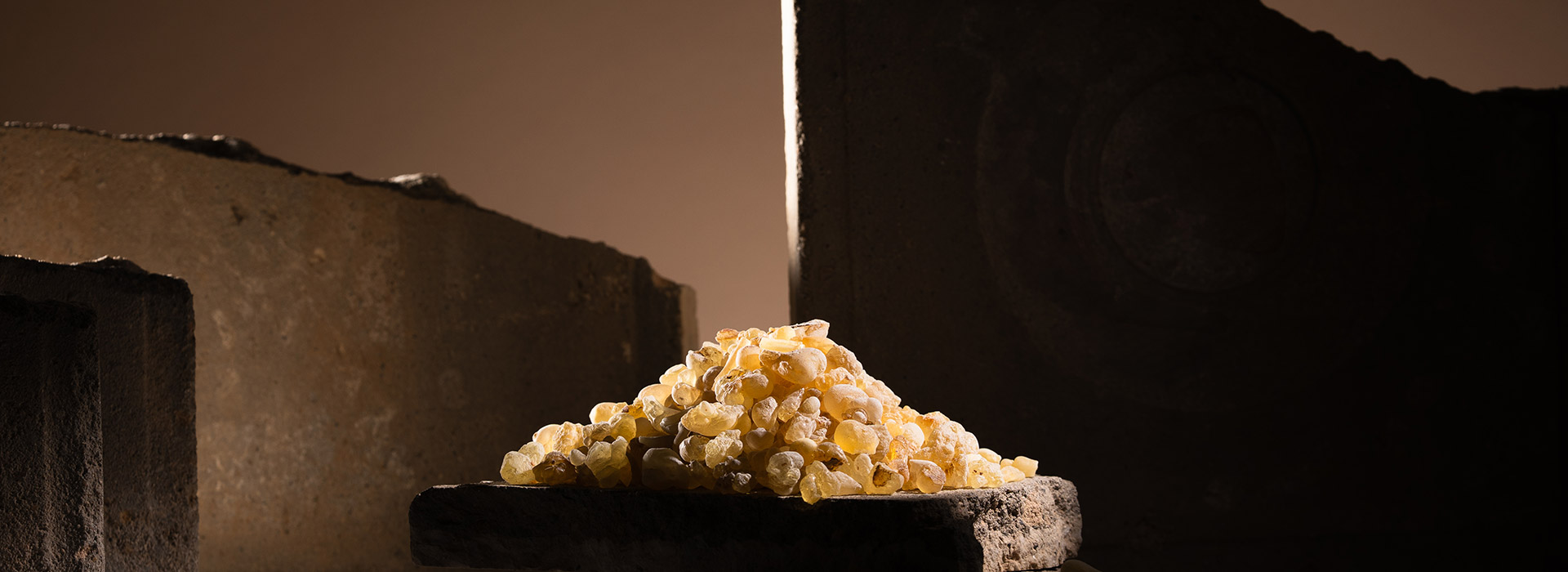
Grade 1 Hojari Resin
Olfactory notes
Citrus Pine Amber Smoke
Origin Jabal Samhan
Grade Hojari · 1
The Resin

Hojari Pure

Hand-sorted, green-tinted tears of the highland trees — the grade reserved for queens and ceremony.

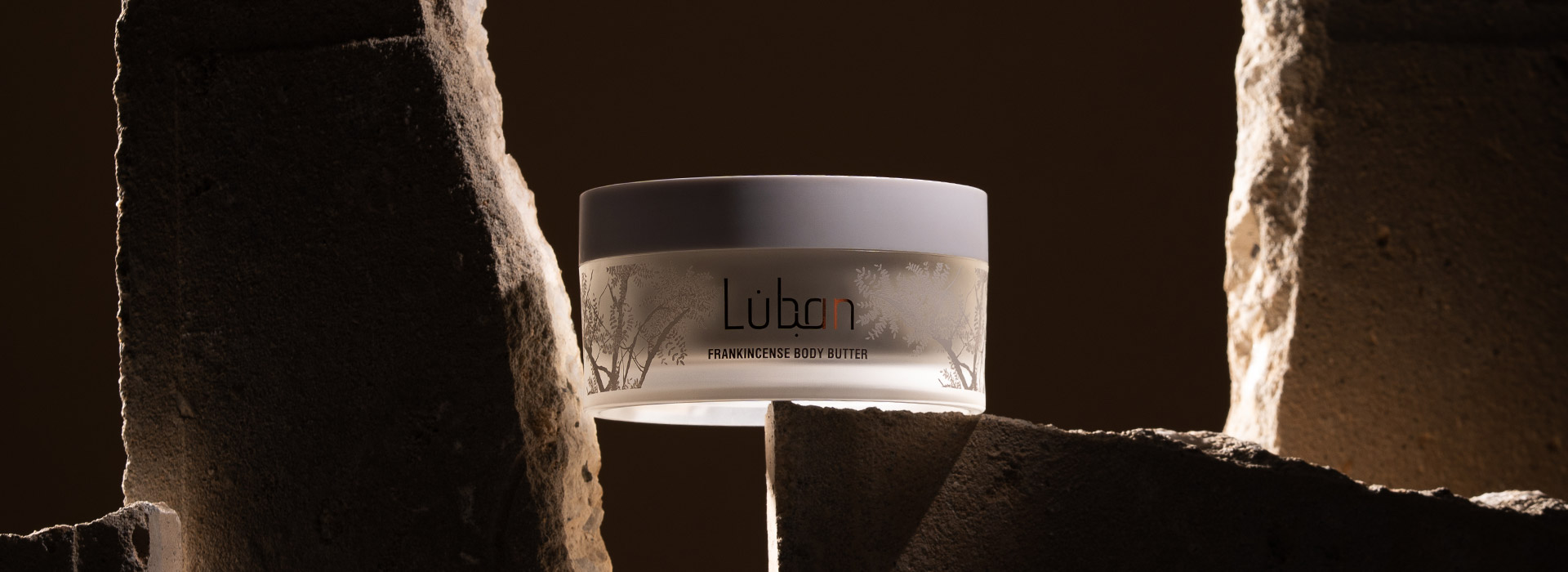
Frankincense Face Oil
Actives & use
AKBA 28% Incensole Squalane
Ritual Night · 3 drops
Volume 30 ml
The Elixir

Nocturne Face Oil

A cold-pressed alchemy of resin and rare botanicals — worn at night, read on the skin by morning.

The Ritual Set
What's included
Clay mabkhara 50g Hojari Charcoal Brass tongs
Vessel Handmade, Salalah
Servings ~50 rituals
The Set

The Ritual Set

Everything the old house needed — vessel, ember, and the resin worthy of both. A beginning, boxed.

Each piece is numbered, hand-sorted, and shipped with a certificate of origin from the Dhofar harvest.

Guaranteed Single-origin · MOH certified
The Science

What the ancients knew,
the laboratory confirms.

5,000 BCE
First recorded use
1,500 BCE
Documented in medicine
2008
Compounds isolated
2026
Luban Oman

Three active compounds, measured in every batch.

AKBA

Acetyl-11-keto-β-boswellic acid
Anti-inflammatory

The most studied boswellic acid — inhibits the enzyme behind chronic inflammation.

Concentration in Hojari
0%

Incensole

Incensole acetate
Calming · anxiolytic

Activates TRPV3 channels in the brain — the science behind why frankincense calms the mind.

Concentration in Hojari
0%

α-Pinene

Alpha-pinene monoterpene
Neuroprotective

Responsible for the signature pine top note — and documented cognitive-support activity.

Concentration in Hojari
0%
Press & Voices

What the world has said
about a tear of resin.

As seen in
L

A single tear of resin, five thousand years of devotion,
now in your hands.